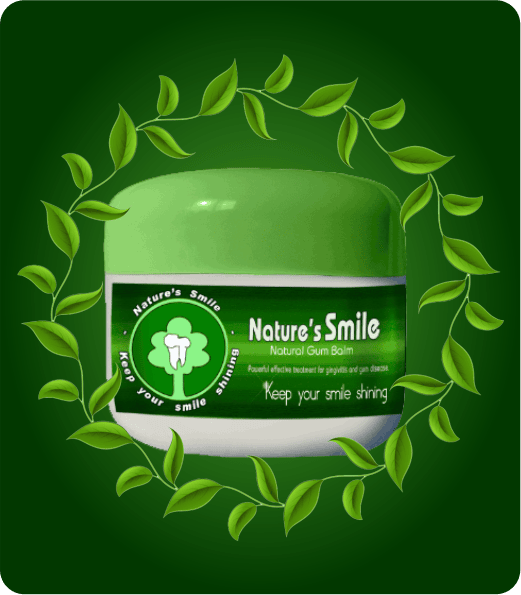
Nature's Smile Ingredients Reviews
Science-backed botanicals for healthier gums
Safe. Natural. Effective. ✔️
The Science Behind Nature’s Smile: A Closer Look at the Ingredients
Disclaimer: This article is for educational purposes only and is not a substitute for professional medical advice. Always consult with a qualified healthcare provider for any health concerns or before making any decisions related to your health or treatment.It’s a startling fact that, according to the CDC, nearly half of all American adults over 30 are dealing with some form of gum disease [1]. This has led many to seek out effective at-home oral care options. One product that often comes up in this conversation is Nature’s Smile Gum Balm, which claims to use natural ingredients to improve gum health. This article takes a closer look at the science behind the key botanical extracts in its formula, drawing on peer-reviewed research and information from leading health institutions.


The Core Components: What the Science Says
The true test of any natural product is the evidence behind its ingredients. The Nature’s Smile formula is a blend of traditional herbs, many of which have been studied for their therapeutic properties.Oak Bark (Quercus): One of the primary ingredients, Oak bark, is rich in tannins. These compounds are known for their astringent qualities, which help to tighten and strengthen tissues—a very useful property when dealing with receding gums. A systematic review in the journal Phytomedicine confirmed that oak bark also has significant anti-inflammatory effects, which are key to managing gingivitis, the first stage of periodontitis [2].Silver Fir (Abies alba) and Pine Tree Carotene: The essential oils from conifers like Silver Fir have been a subject of study for their antimicrobial abilities. A 2017 study in Molecules found that Silver Fir oil has a potent effect against a range of bacteria, including some of the strains that are known to cause dental plaque [3]. Pine Tree Carotene adds to this with its powerful antioxidant properties. As the Mayo Clinic notes, oxidative stress can make inflammation worse [4], and research in the Journal of Periodontology has even linked a higher intake of antioxidants in one’s diet to a lower risk of severe gum disease [5].Chamomile (Matricaria chamomilla) and Yarrow (Achillea millefolium): Both of these herbs have a long history of use for their soothing and healing properties. A study in the Journal of Oral Science showed that a mouthwash containing chamomile extract was effective in reducing both plaque and gum inflammation [6]. In a similar vein, a review in the Journal of Ethnopharmacology highlighted yarrow’s significant anti-inflammatory and wound-healing abilities, which are crucial for repairing damaged gum tissue [7].Nettle (Urtica dioica): Nettle is a nutritional powerhouse, packed with vitamins and minerals that are essential for tissue repair. A study in the journal Nutrients went into detail about its wide-ranging health benefits, including its potent anti-inflammatory and antioxidant effects that can help the body’s natural healing processes [8].
Conclusion: A Basis in Science
The ingredients in Nature’s Smile Gum Balm are not just based on old folklore; there is a growing body of scientific evidence that supports their use in promoting oral health. From the anti-inflammatory and astringent properties of Oak Bark to the antimicrobial strength of Silver Fir and the healing potential of Yarrow and Chamomile, these botanicals have shown that they have effects that are relevant to fighting the underlying causes of gum disease.However, it’s important to remember what professional organizations like the American Dental Association (ADA) and the National Institute of Dental and Craniofacial Research (NIDCR) always emphasize: products like these should be seen as a supplement to, not a replacement for, standard oral hygiene and professional dental care [9, 10].


References
[1] Centers for Disease Control and Prevention — Periodontal Disease
[2] Vlachojannis, C., et al. (2009). A systematic review on the effectiveness of oak bark in the treatment of inflammatory skin diseases.Phytomedicine.
[3] Tumen, I., et al. (2017). A scientific review on the ethnobotanical use, phytochemistry, and pharmacological properties of Abies species.Molecules.
[4] Mayo Clinic. (2022).Gingivitis.
[5] Van der Velden, U., et al. (2011). Micronutritional approaches to periodontal therapy.Journal of Periodontology.
[6] Pereira, R. S. (2016). A review of the therapeutic and pharmacological effects of Matricaria recutita L.Journal of Oral Science.
[7] Saeidnia, S., et al. (2011). The story of yarrow (Achillea millefolium): a review.Journal of Ethnopharmacology.
https://pubmed.ncbi.nlm.nih.gov/22615655/
[8] Kregiel, D., et al. (2018). Urtica spp.: Ordinary plants with extraordinary properties.Molecules.
https://pubmed.ncbi.nlm.nih.gov/29987208/
[9] American Dental Association. (n.d.).Gum Disease. MouthHealthy.org.
https://www.mouthhealthy.org/all-topics-a-z/gum-disease
[10] National Institute of Dental and Craniofacial Research. (2018).Periodontal (Gum) Disease.
https://www.nidcr.nih.gov/health-info/gum-disease